Most life coaching websites look the same.
A stock photo of someone staring at a sunrise. A vague tagline about "transformation." A contact form buried three clicks deep.
And that's exactly why they don't convert.
The best life coaching website examples in do something different. They're clear, credible, and built around one goal turning a curious visitor into a booked client.
This guide breaks down 7 real-life coaching websites that get it right. What they do well, what you can steal, and what separates a website that fills your calendar from one that just sits there.
Top 7 Life Coaching Website Examples
1. Tony Robbins
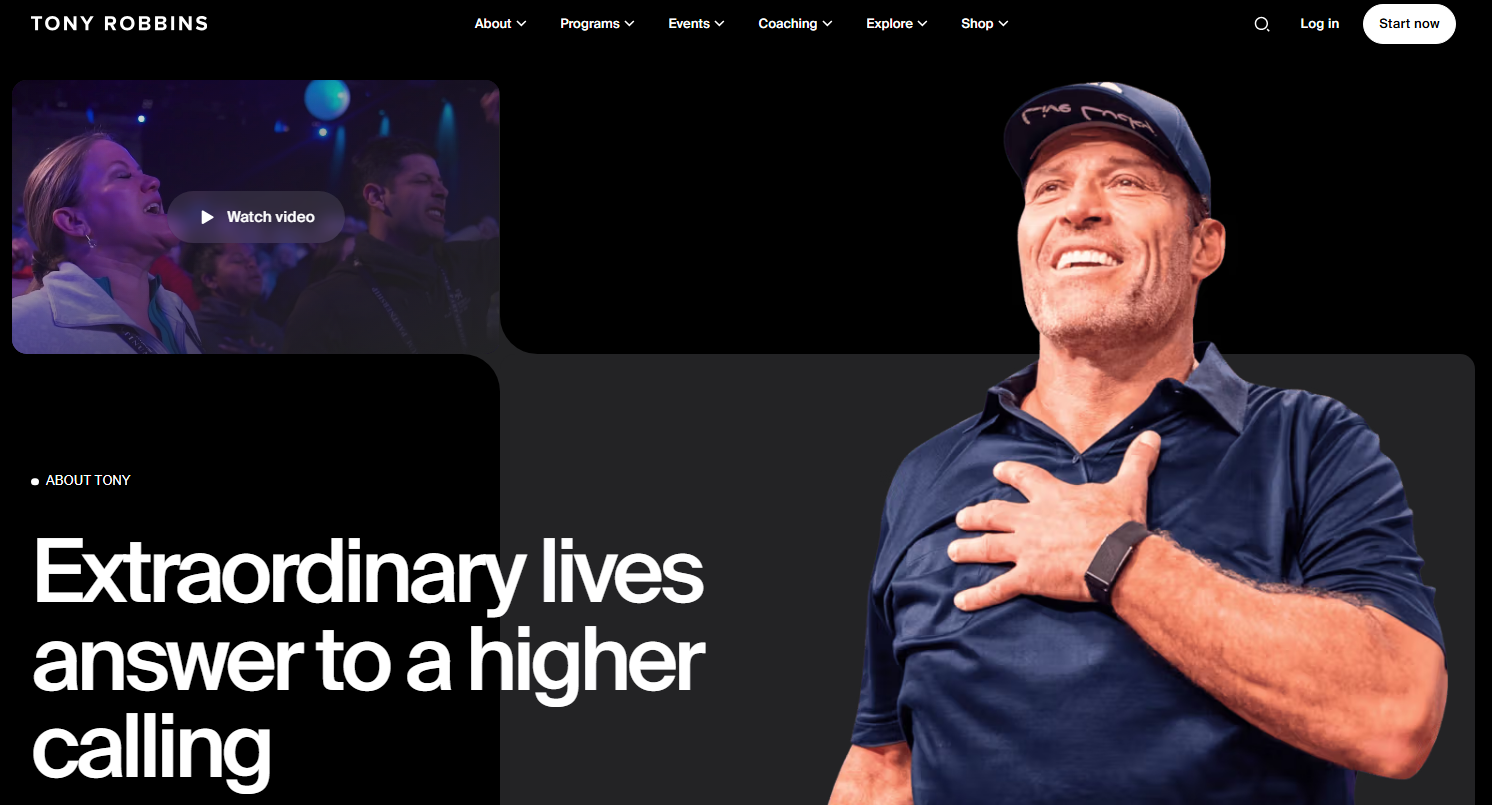
Tony Robbins doesn't need to explain who he is. But his website still does the work. The homepage opens with a bold headline that speaks directly to pain not to his credentials. Video testimonials load fast and feel real. The booking journey is clear and frictionless.
What to steal:
- Lead with the client's problem, not your biography
- Use video testimonials they convert significantly better than text alone
- Make the primary CTA visible without scrolling
2. Marie Forleo
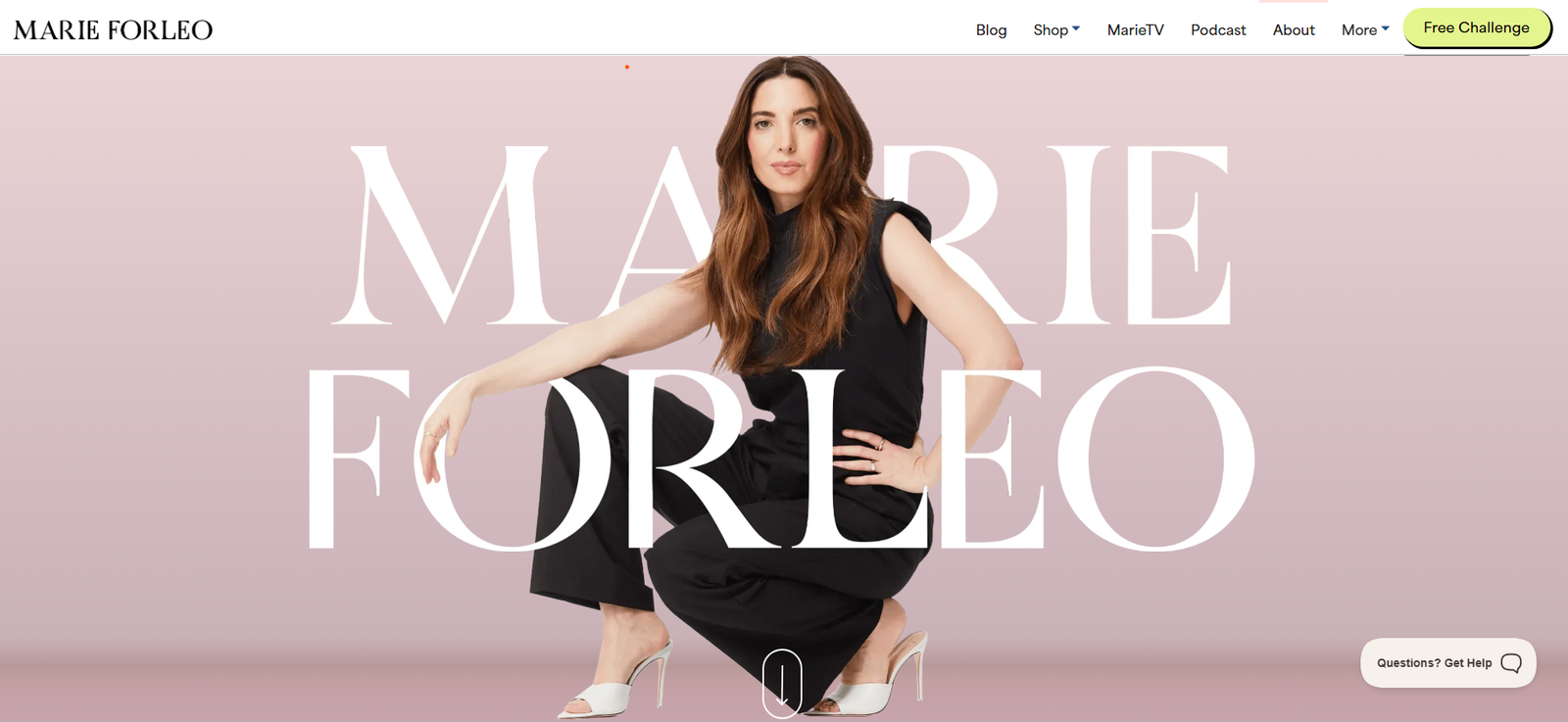
Marie Forleo's website feels like her. The copy sounds like a person wrote it because it did. Her voice is consistent from the homepage headline to the FAQ section. That consistency is what builds trust at scale.
What to steal:
- Write your website copy the way you actually speak
- Use your own photography not stock images
- Let your personality show in the micro-copy (button text, error messages, form labels)
3. Brendon Burchard
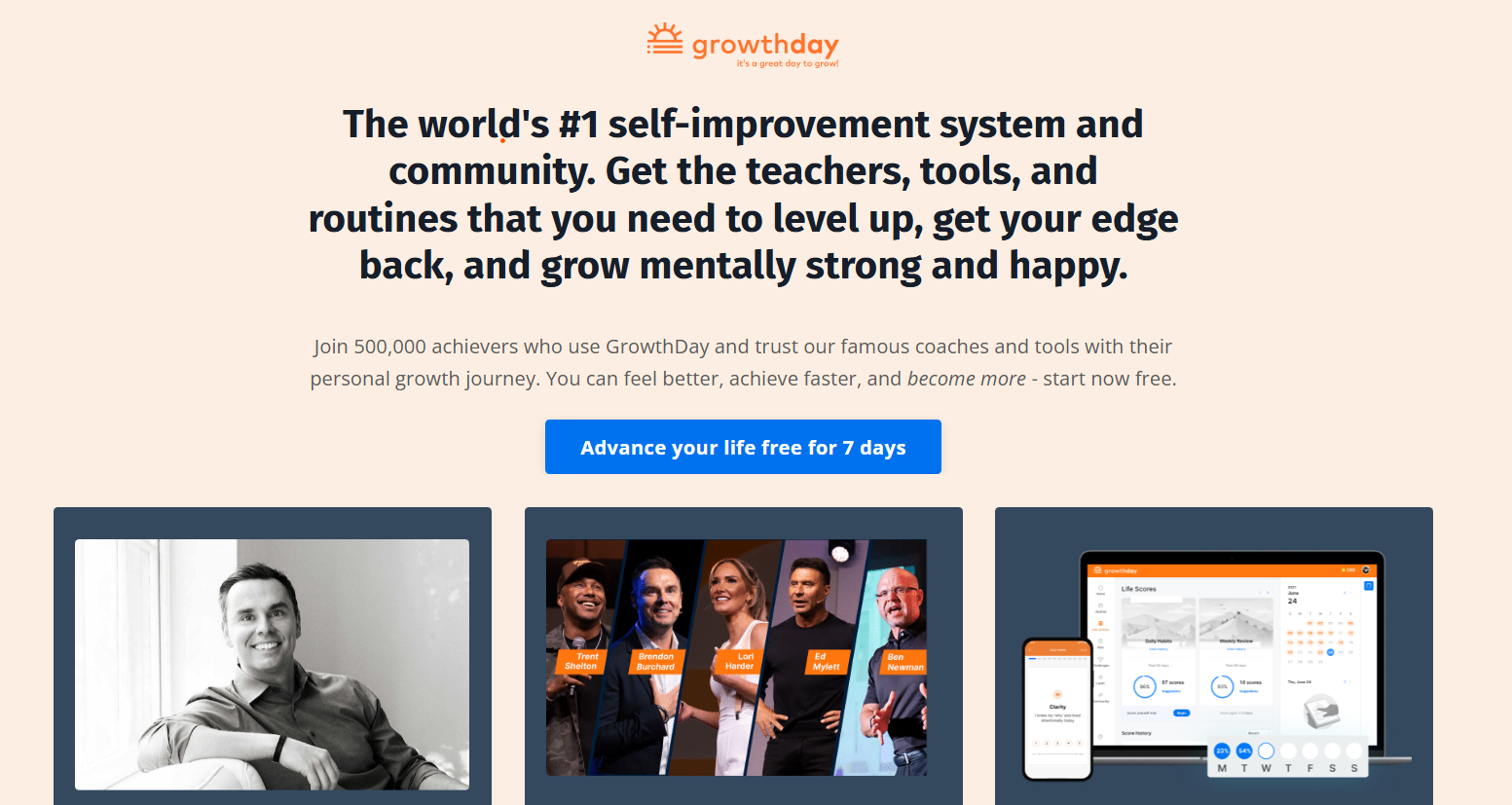
Brendon Burchard's site is built like a funnel. Every page has a clear next step. Free resources capture email addresses. Email sequences lead to programmes. The site doesn't just inform it moves people through a deliberate journey.
What to steal:
- Offer a high-value free resource to capture leads before selling
- Build a clear path from landing page → email list → paid offer
- Use progress-based CTAs ("Start here" performs better than "Learn more")
4. Iyanla Vanzant

Iyanla's website leads with emotion. The language is warm, direct, and immediately speaks to people who are hurting. There's no corporate polish. No jargon. Just a clear sense of "I understand where you are, and I can help. That emotional resonance is what makes visitors feel seen and that's what makes them book.
What to steal:
- Use language your ideal client uses to describe their own problem
- Warmth and directness together convert better than either alone
- Let the homepage feel like the beginning of a conversation
Want a site like the ones above?
We build custom coaching websites in 2–3 weeks, starting at £999 — free consultation, no obligation.
See Pricing & Book a Call5. The Coaching Room
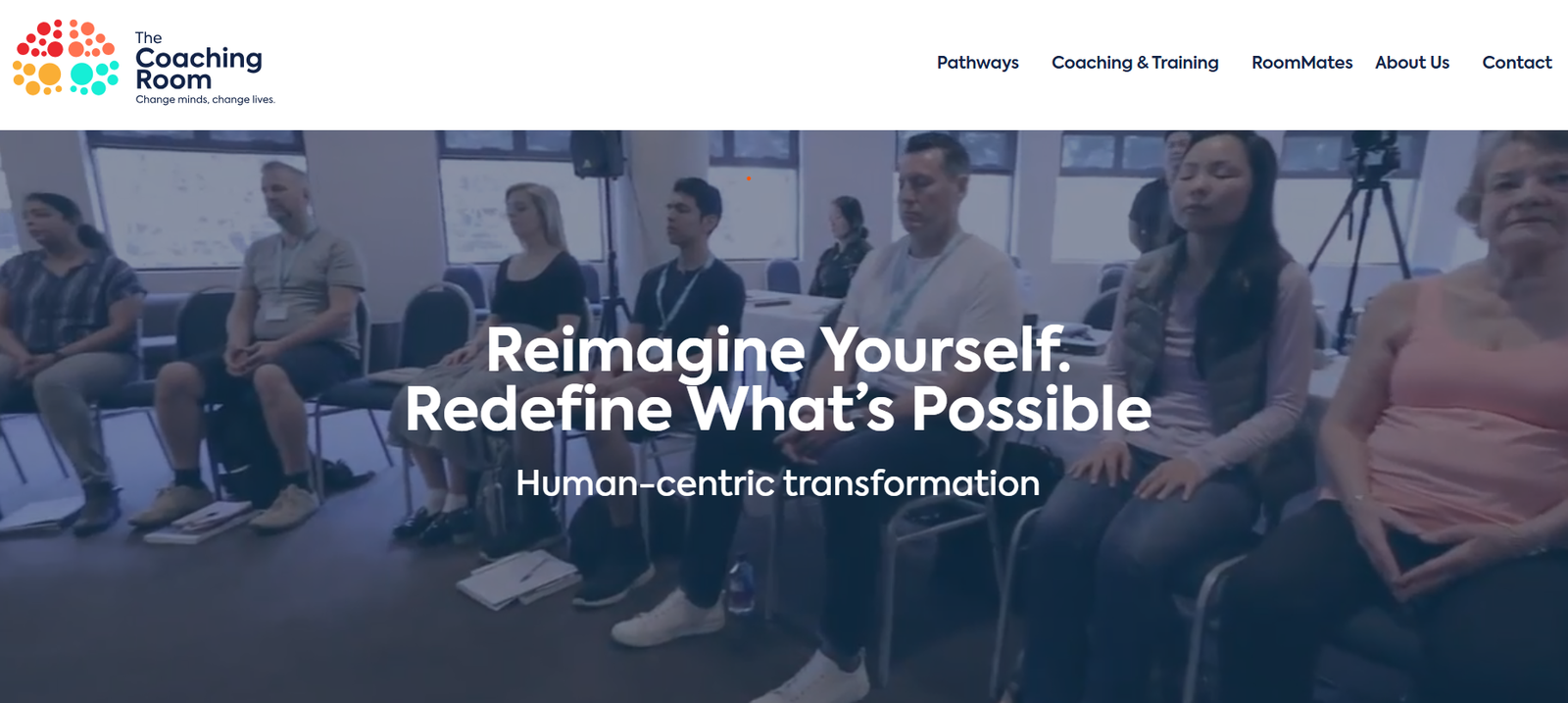
The Coaching Room targets corporate clients and executive coaching contracts. Their website reflects that. It's structured, evidence-based, and positions their methodology with depth and rigour. But it doesn't feel cold. Case studies are specific. Results are measurable.
What to steal:
- If you target corporate clients, your website needs to speak their language ROI, outcomes, measurable results
- Use case studies with specific numbers ("reduced leadership turnover by 34%")
- Methodology pages build credibility with corporate buyers better than testimonials alone
6. Gabby Bernstein
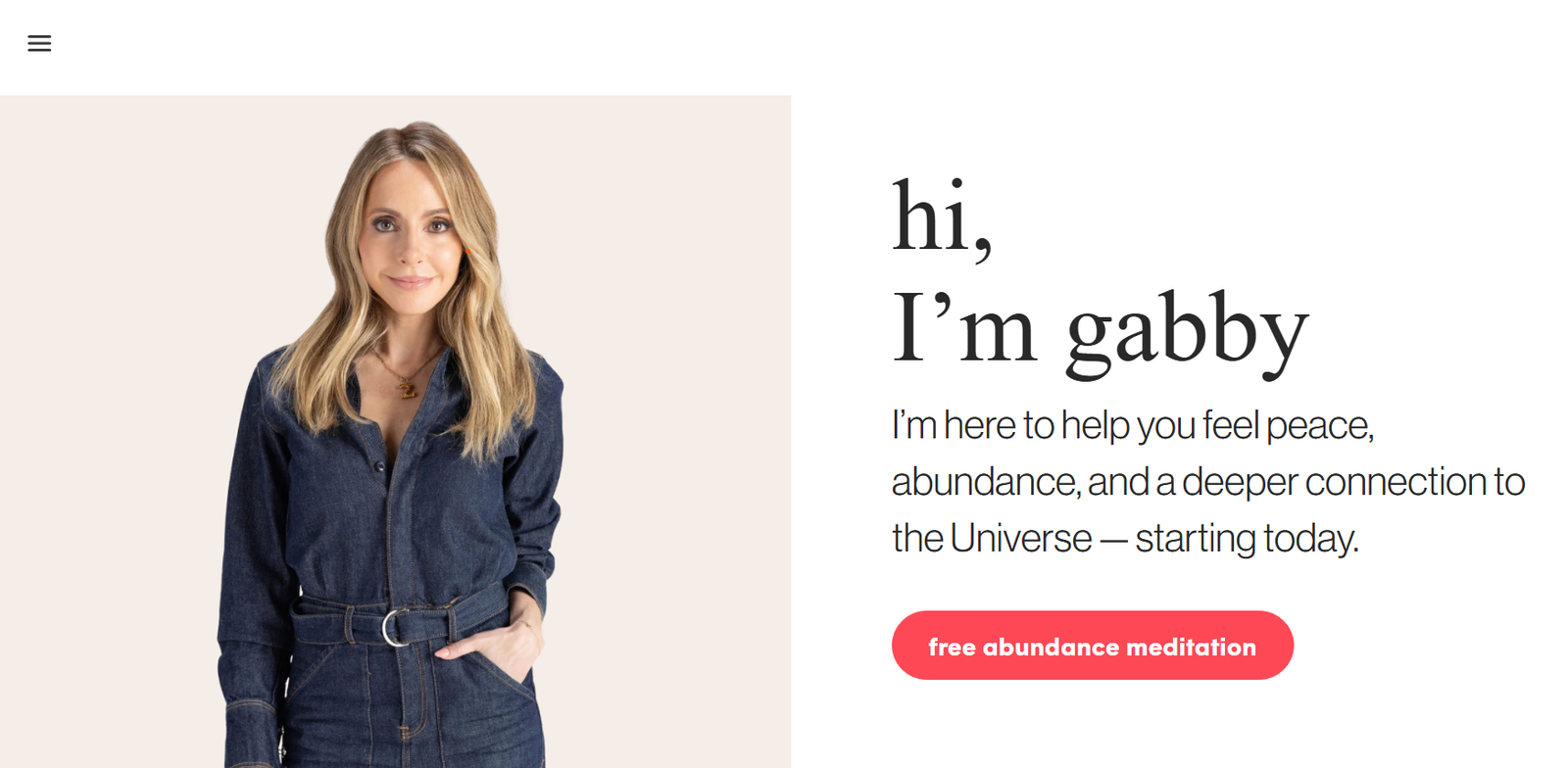
Gabby Bernstein's website is a content machine. Blog posts, podcast episodes, free meditations, YouTube videos all of it lives on her site and all of it drives organic search traffic. By the time someone books with Gabby, they've already consumed hours of her content. That's not a coincidence. It's a strategy.
What to steal:
- Start a blog and update it consistently every post is a new entry point from Google
- Embed your podcast or YouTube content directly on your site
- Free resources build your email list and your authority simultaneously
7. Herminia Ibarra
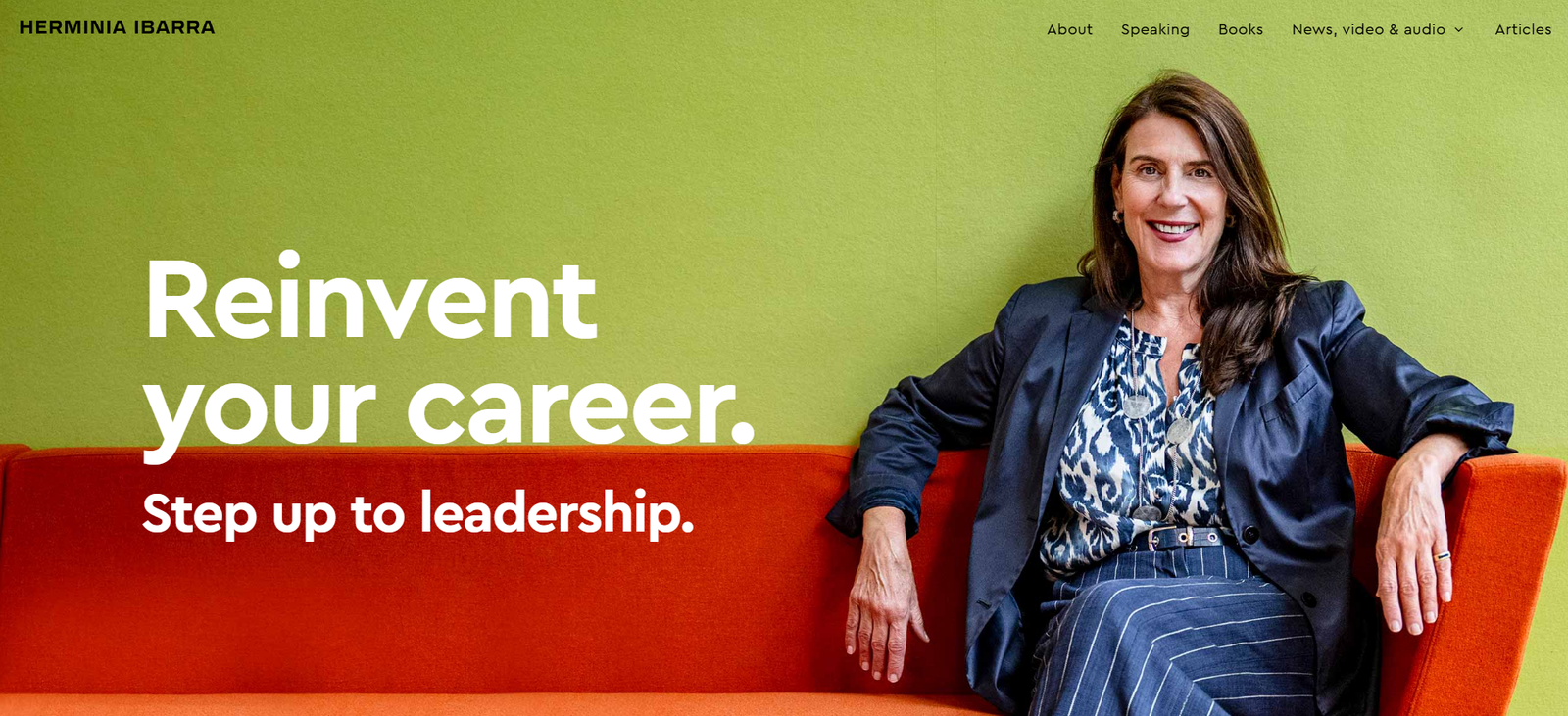
Herminia Ibarra is a business school professor who coaches senior leaders. Her website leads with research, published books, and media features not testimonials. That's because her audience (C-suite executives) makes decisions based on intellectual credibility, not emotional resonance.
What to steal:
- Match your trust signals to what your specific audience responds to
- Published work, media features, and speaking engagements build credibility for professional audiences
- Don't copy another coach's trust strategy build one that matches your niche
What Makes a Life Coaching Website Actually Work?
Before jumping into examples, let's be clear on what "works" means.
A life coaching website works when it does three things consistently:
Alos Read: Top therapy practice Management Software →- Clear messaging that speaks to the visitor's problem
- Strong, specific calls to action
- Frictionless booking experience
- Credentials displayed prominently
- Outcome-focused testimonials
- A voice that feels human and credible
- So the right clients find it organically
- Without paying for every click
- Built on a solid SEO foundation
Most coaching websites nail one of these. Very few nail all three. The examples below do. Here's what you can learn from each one.
Related Best Online Directories for Therapists →If you're building from scratch or redesigning, our team specialises in web design for life coaches built specifically to convert visitors into booked consultations.
Also Read Digital Marketing Strategies for Healthcare & Coaching →Looking for the Best Website Builder for Life Coaches?
Before choosing a platform, read this first.
Most website builders are built for general businesses not for coaches who need booking integrations, GDPR-compliant contact forms, and SEO-ready page structures.
We've covered exactly what to look for in our guide to the best website builder for therapists much of which applies directly to life coaches too.
Or if you'd rather have it built properly from the start get in touch with our team and we'll walk you through what's involved.
Frequently Asked Questions
The coaches filling their calendars consistently aren't necessarily the best in their niche. They're the ones strategically visible on the platforms and in the communities where their ideal clients are already looking. Pick three lessons from this guide, apply them to your site, and measure what changes.
Looking for expert support building your coaching practice's online presence? Explore Healthcare IT Solutions specialists in web design for life coaches, healthcare SEO, social media marketing, and content marketing built specifically for healthcare and coaching professionals.