Healthcare marketing is no longer just about promoting services it’s about building trust, educating patients, and creating real human connections. From viral social campaigns to SEO-driven patient stories, the best healthcare brands focus on helping people first.
77% of patients search online before ever contacting a healthcare provider. Most clinics market like it's 2010. That gap? That's your opportunity.
Below are 15 real healthcare marketing examples broken down by channel, backed by real numbers, from some of the most successful campaigns ever run in this industry. Every single one ends with something specific you can use for your own practice.
Video Marketing
Video has the highest ROI of any content format in healthcare marketing and these three campaigns prove exactly why.
"Empathy, The Human Connection to Patient Care"
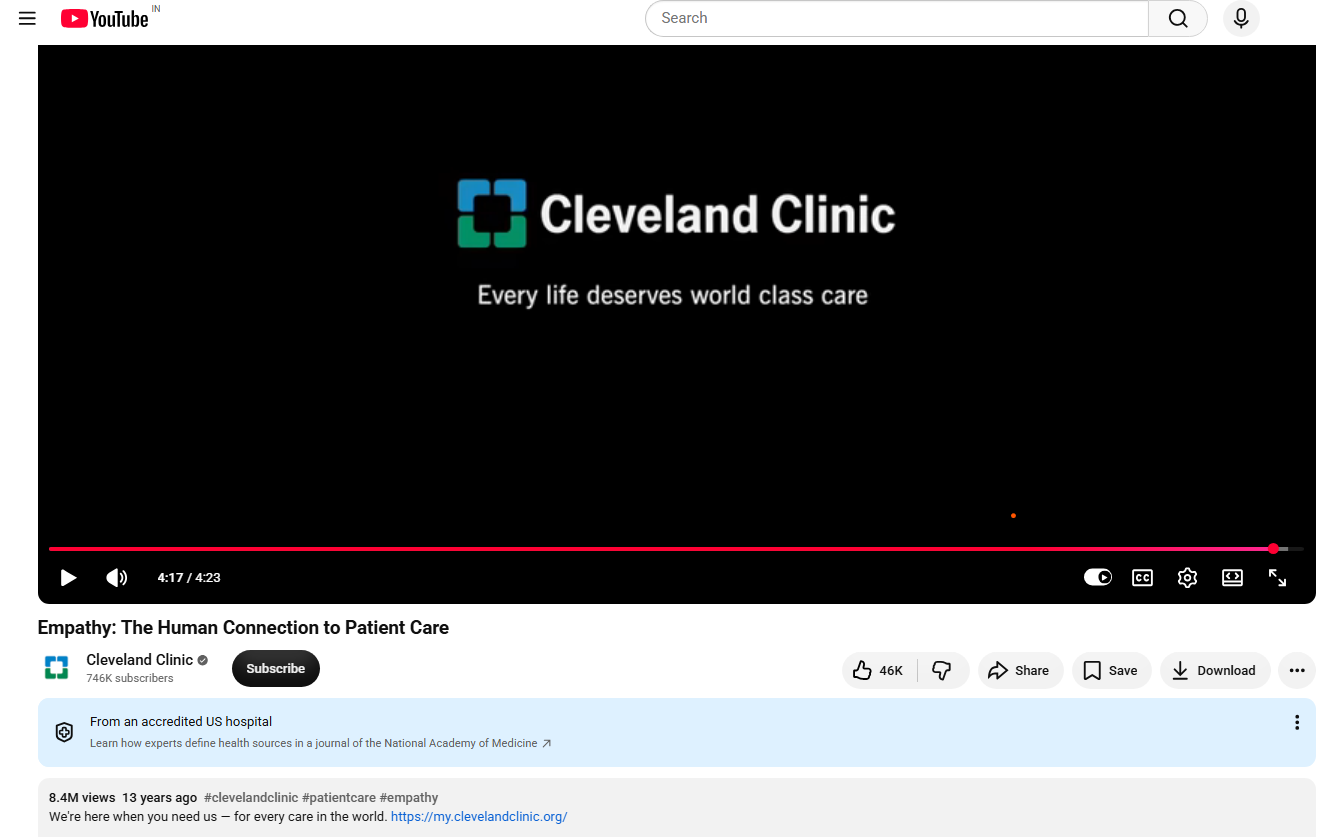
Cleveland Clinic produced a six-minute, wordless film shot entirely inside the hospital a fly-on-the-wall perspective following patients, family members, and staff through their most vulnerable moments. No voiceover. No product mention. No call to action. Just raw, unscripted human emotion. The message: everyone you pass in a hospital corridor is carrying something heavy.
You don't need a budget. You need a story. Film one real patient their fear before treatment and their relief after. Authenticity beats production value every single time in healthcare marketing.
"Amazing Things Are Happening Here"
A long-running multi-year video campaign featuring real patients sharing extraordinary recovery stories a concert pianist who regained full hand function after surgery, a child who learned to walk again after a spinal condition. Each film was short, emotionally precise, and distributed across YouTube, TV, and Facebook. The campaign never changed its formula because it didn't need to.
Patient testimonials on video outperform any written review or star rating. One genuine patient story, filmed on a smartphone, builds more trust than a £10,000 marketing campaign. Start with one. This week.
"For Every Body" Destigmatisation Campaign
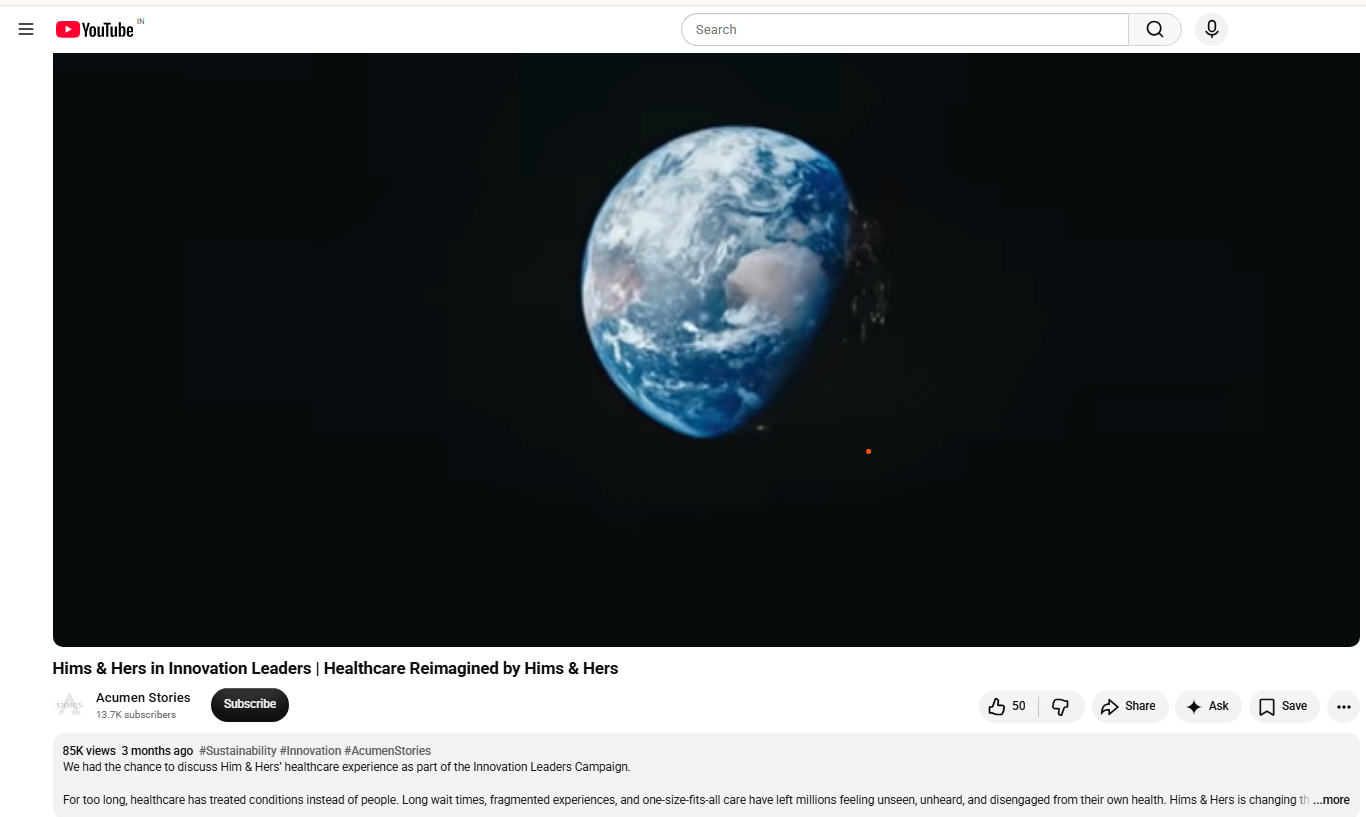
Most healthcare brands tiptoe around uncomfortable health topics. Hims & Hers went in the opposite direction directly addressing hair loss, erectile dysfunction, and mental health across out-of-home marketing, YouTube pre-rolls, and short-form social video. The tone was direct, human, and completely free of clinical sterility.
Stop tiptoeing around the conditions your patients are embarrassed to ask about. Naming the problem directly without shame is what makes people click, book, and trust you. The brands that win in healthcare are the ones brave enough to say what others won't.
Content Marketing
The channel that builds trust at scale and keeps working long after you publish it.
Health Essentials Blog The World's Most-Visited Healthcare Content Library
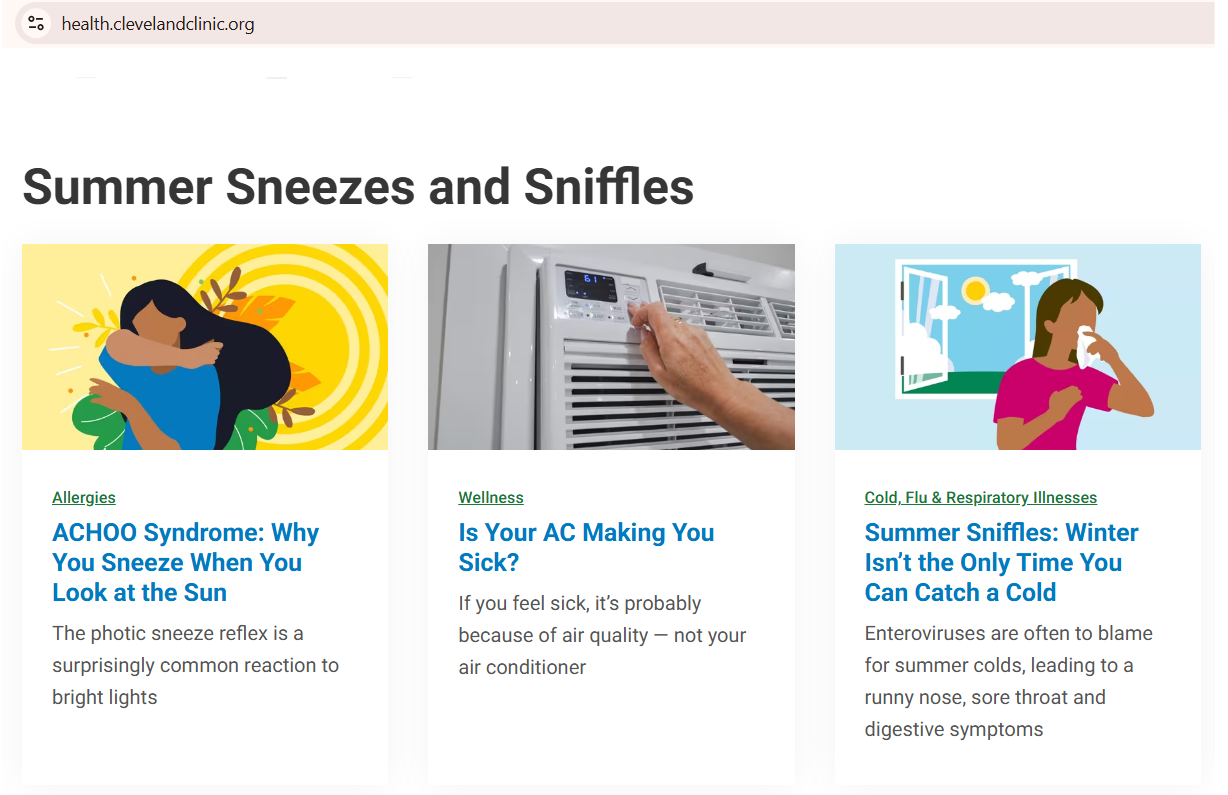
Cleveland Clinic built a daily publishing operation answering the exact questions patients type into Google "what causes chest pain," "how long does a cold last," "signs of early diabetes." Every article was written by or reviewed by a clinician. No fluff. No generic wellness content. Just specific, medically accurate answers to real patient questions.
Write down the 10 questions your patients ask at every appointment. Write one genuinely helpful, specific article answering each question. That's a content strategy that sends you patients for years for the cost of your time.
"Ask Mayo Clinic" Podcast Turning Expertise Into Audio
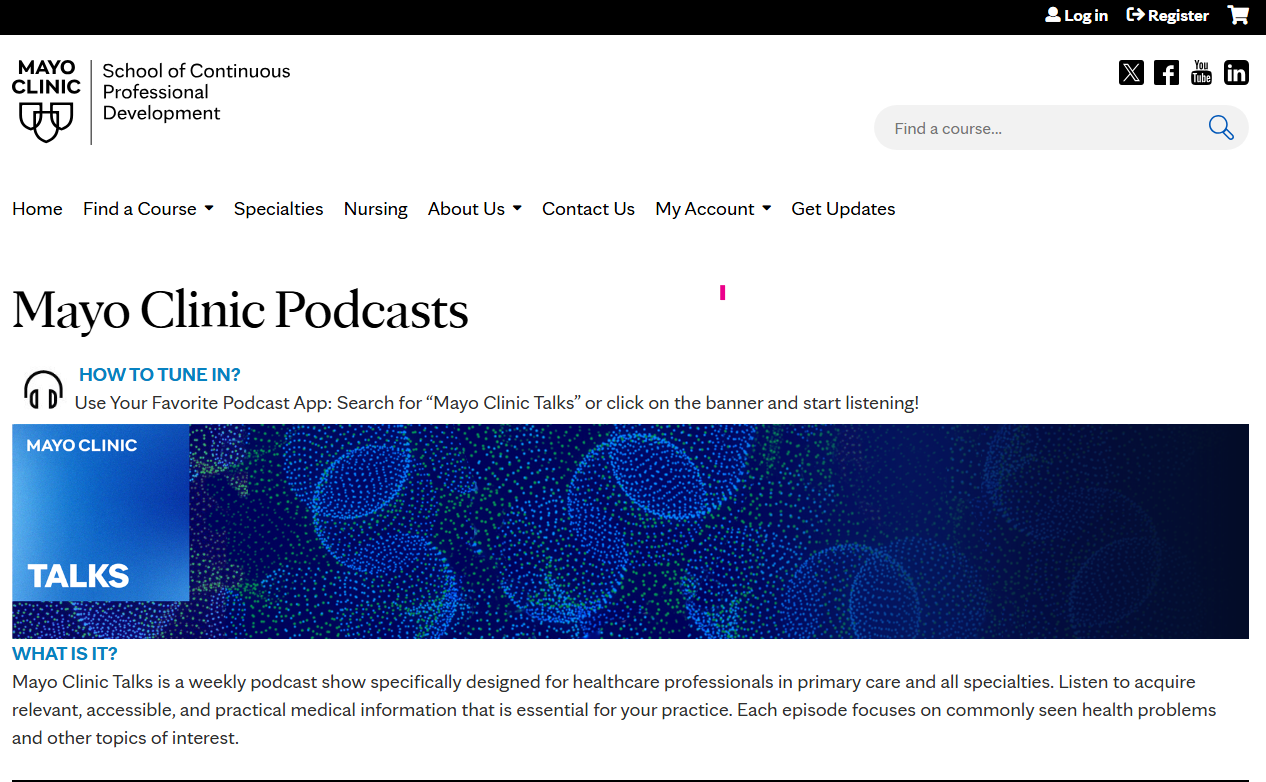
Mayo Clinic extended their content brand into weekly audio a podcast where their own doctors answer real patient questions submitted by listeners. Distributed across Spotify, Apple Podcasts, and YouTube, each episode runs 15–25 minutes and addresses one condition or health concern in depth. No sponsors. No editorial compromise. Just the same trust Mayo is known for, in a new format.
Record your doctor answering one patient question per week. Fifteen minutes of recording becomes a podcast episode, a blog post, and three social clips. One session. Four pieces of content. One afternoon of work per month.
BabyCenter Becoming the Resource, Not Just the Brand
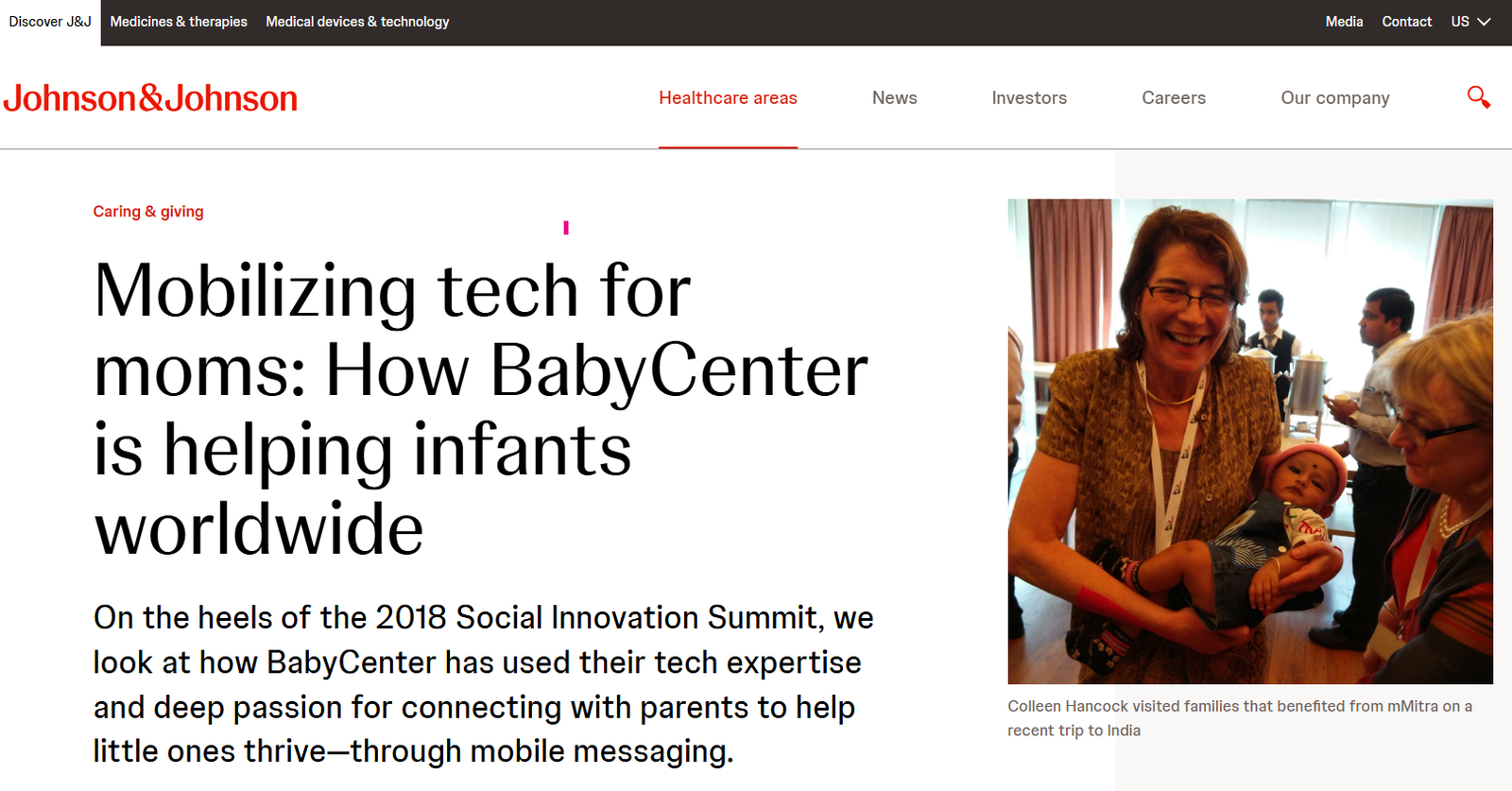
Instead of marketing to new parents, Johnson & Johnson invested in building BabyCenter a parenting content platform serving over 100 million parents globally where their brand exists as the trusted authority rather than an interrupting advertiser. The content answers every question a new parent has, from pregnancy week-by-week to toddler development, embedding J&J's brand in the moments that matter most.
Don't just advertise where your patients are become the most useful resource in the space they care about. A clinic that publishes the best guide to managing a condition will always beat one that just runs ads for it.
Where trust is built between appointments and where the right idea can reach millions overnight.
The Ice Bucket Challenge The Most Viral Healthcare Campaign in History
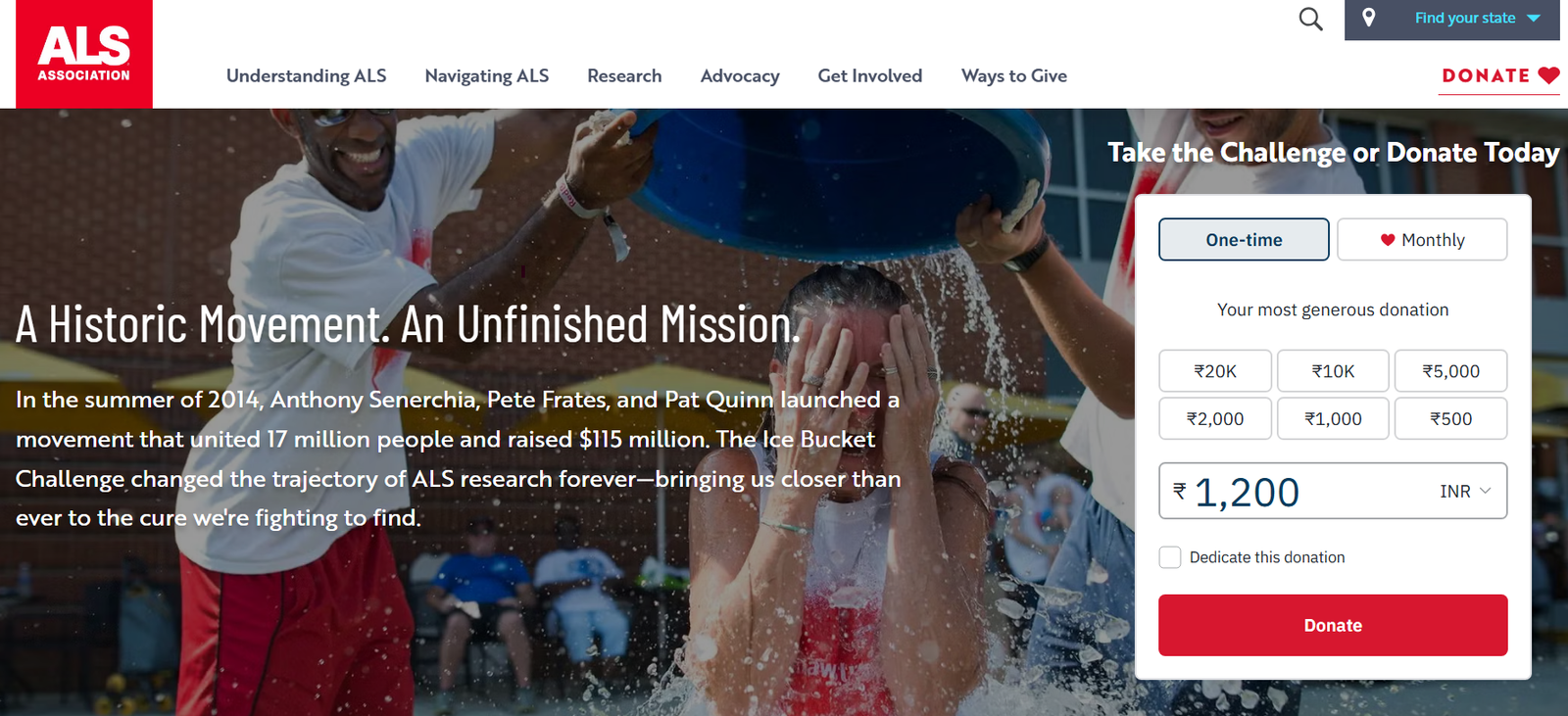
A peer-to-peer social challenge where participants dumped a bucket of ice water over their head, filmed it, nominated three friends, and either donated or completed the challenge. The mechanic was brilliantly simple one action, peer nomination, public sharing and it spread across Facebook, Twitter, and Instagram in the summer of 2014 with no paid media behind it whatsoever. Celebrities, athletes, and world leaders all participated.
The mechanic was the genius: one simple action + peer nomination + public sharing. Any health awareness campaign for any condition, any practice can be built around a shareable community challenge. You don't need a disease charity to use this format.
"Right Now You May Have Cancer. But What Your Cancer Doesn't Know Is You Have Us."
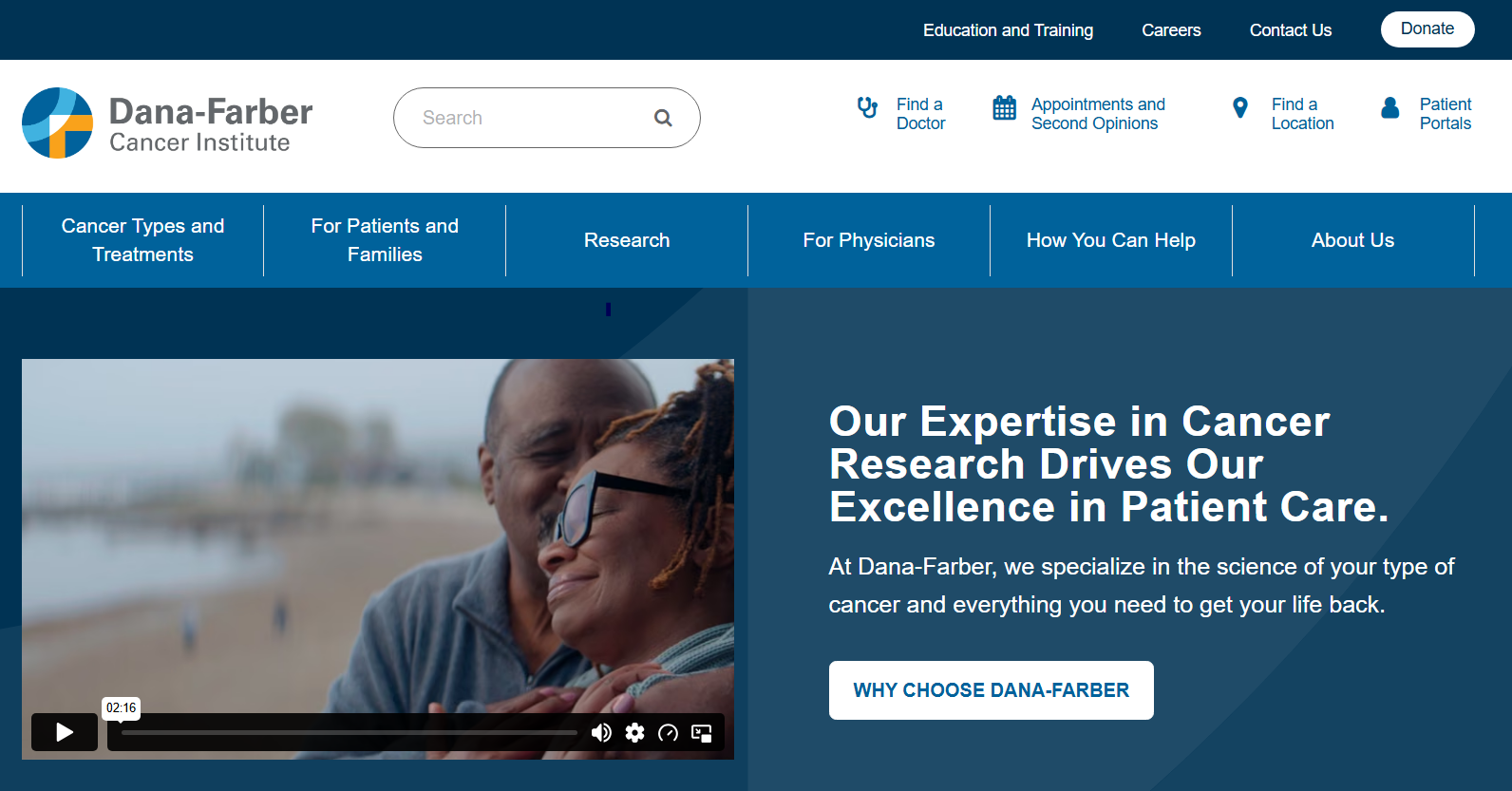
Dana-Farber built their entire campaign around one extraordinary headline arguably the most powerful single line in healthcare marketing history. Paired with patient films showing real cancer journeys not sanitised, not staged across social media and television. The emotional truth was centre stage. The hospital's capabilities were the resolution, not the opening line.
Write your own version of that headline. Finish this sentence: "Right now you may have [problem]. But what your [problem] doesn't know is [your differentiator]." One bold, specific line can define your entire brand.
#NursesWhoMakeADifference User-Generated Community Campaign
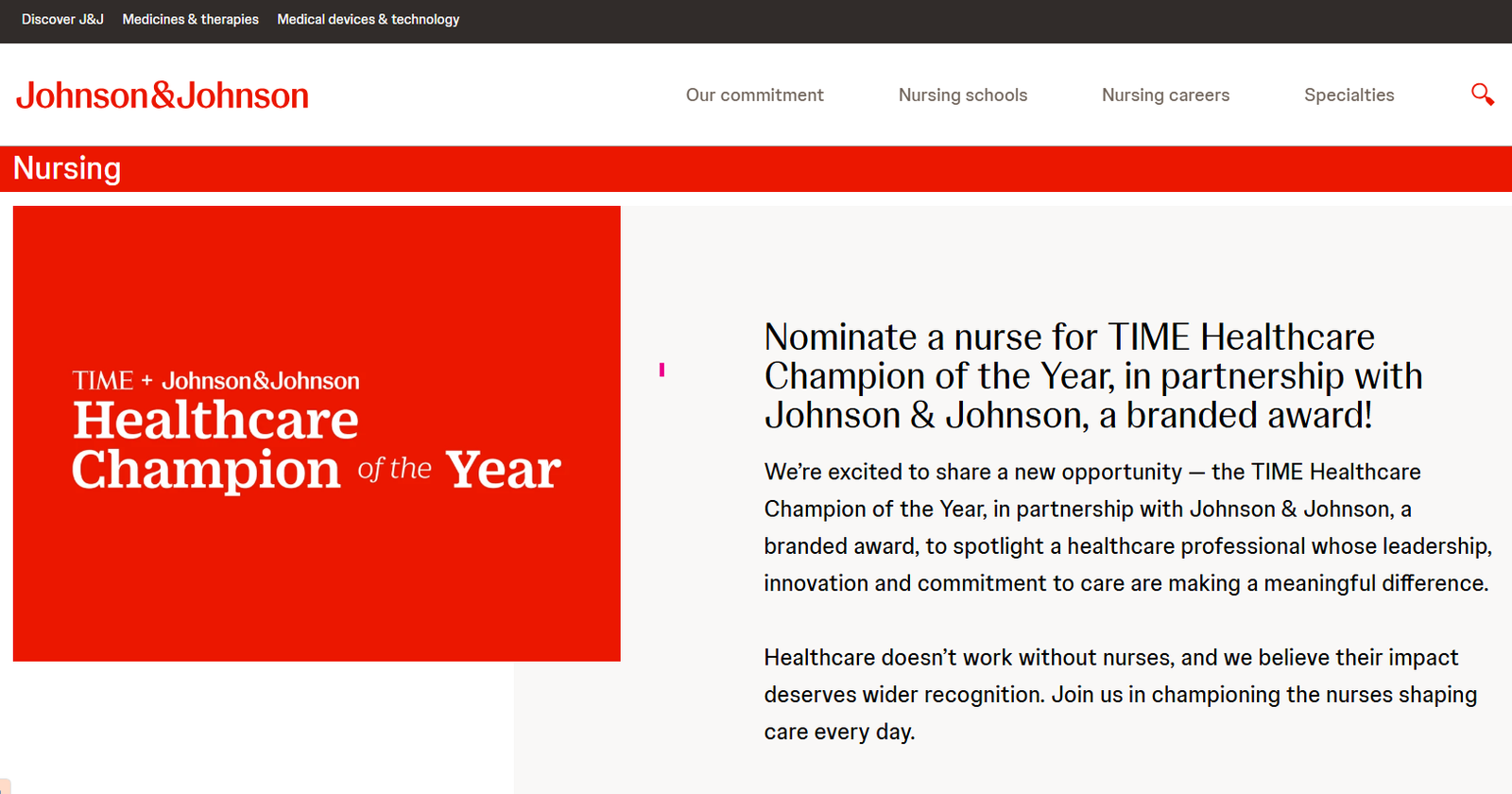
Johnson & Johnson asked the global public to share stories of a nurse who had changed their life using the hashtag #NursesWhoMakeADifference. The content created itself. Patients, families, and healthcare workers flooded Instagram and Facebook with tens of thousands of stories. J&J simply curated and amplified the best ones. Zero production cost. Infinite reach.
User-generated content campaigns cost almost nothing. Ask your patients or community one powerful question and let them answer it publicly. The best content you'll ever post will be created by someone else a patient whose life you changed.
SEO & Local Search
The channel that works while you sleep and compounds in value every month it runs.
"Living With" Patient Story Pages That Dominate Google
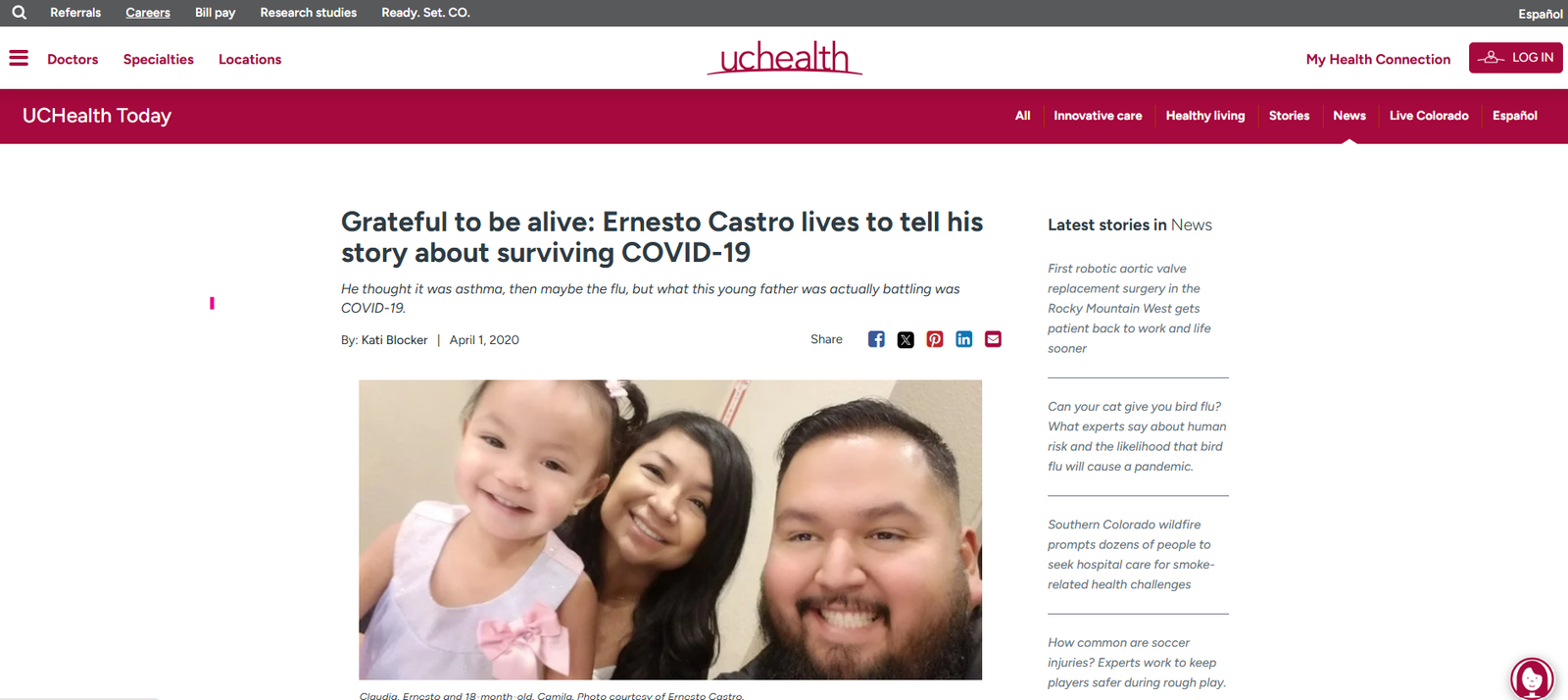
UCHealth built condition-specific, long-form content pages combining real patient stories with clinically accurate medical information targeting high-intent searches like "living with heart failure" and "living with Crohn's disease." Each page featured a named patient, their journey, clinical expertise from their treating physician, and clear next steps. Google rewarded the depth. Patients trusted the authenticity.
On each of your key service pages, pair clinical accuracy with one real human story. Google rewards depth. Patients trust authenticity. The combination is what separates a page that ranks from a page that converts.
Google Ads Overhaul 528% More Leads, 12% Less Spend
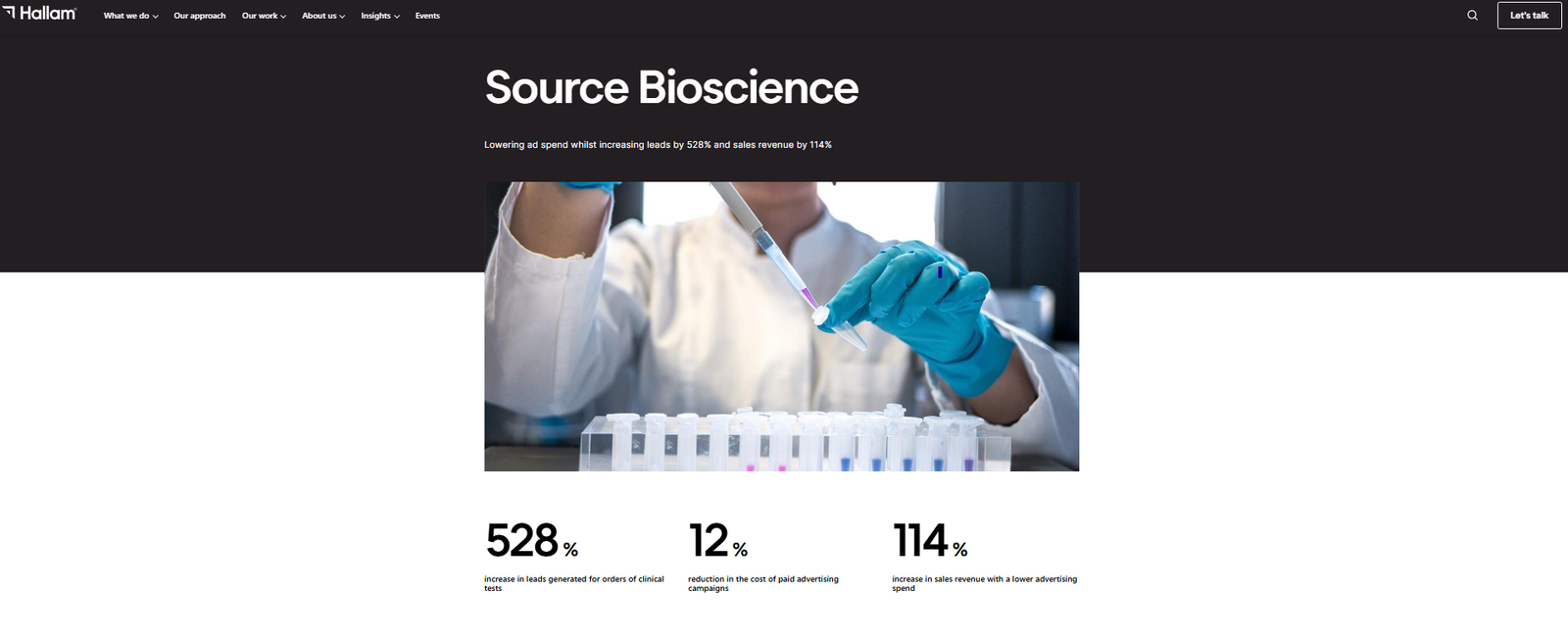
Source BioScience had an underperforming Google Ads account the classic problem: generic keywords, one landing page for everything, no relevance between ad and destination. Hallam rebuilt it from scratch restructured keyword targeting by service, rewrote ad copy with specificity and urgency, and built dedicated condition-specific landing pages for each campaign.
Most healthcare Google Ads campaigns fail because every ad sends traffic to the homepage. Build a dedicated landing page for each service you advertise. That one change matching the ad's promise to the page's content can double your conversion rate overnight.
Healthcare marketing
Bold campaigns that proved specificity converts and vague healthcare messaging doesn't.
"Reverse Heart Disease in 12 Weeks" The Power of Specificity
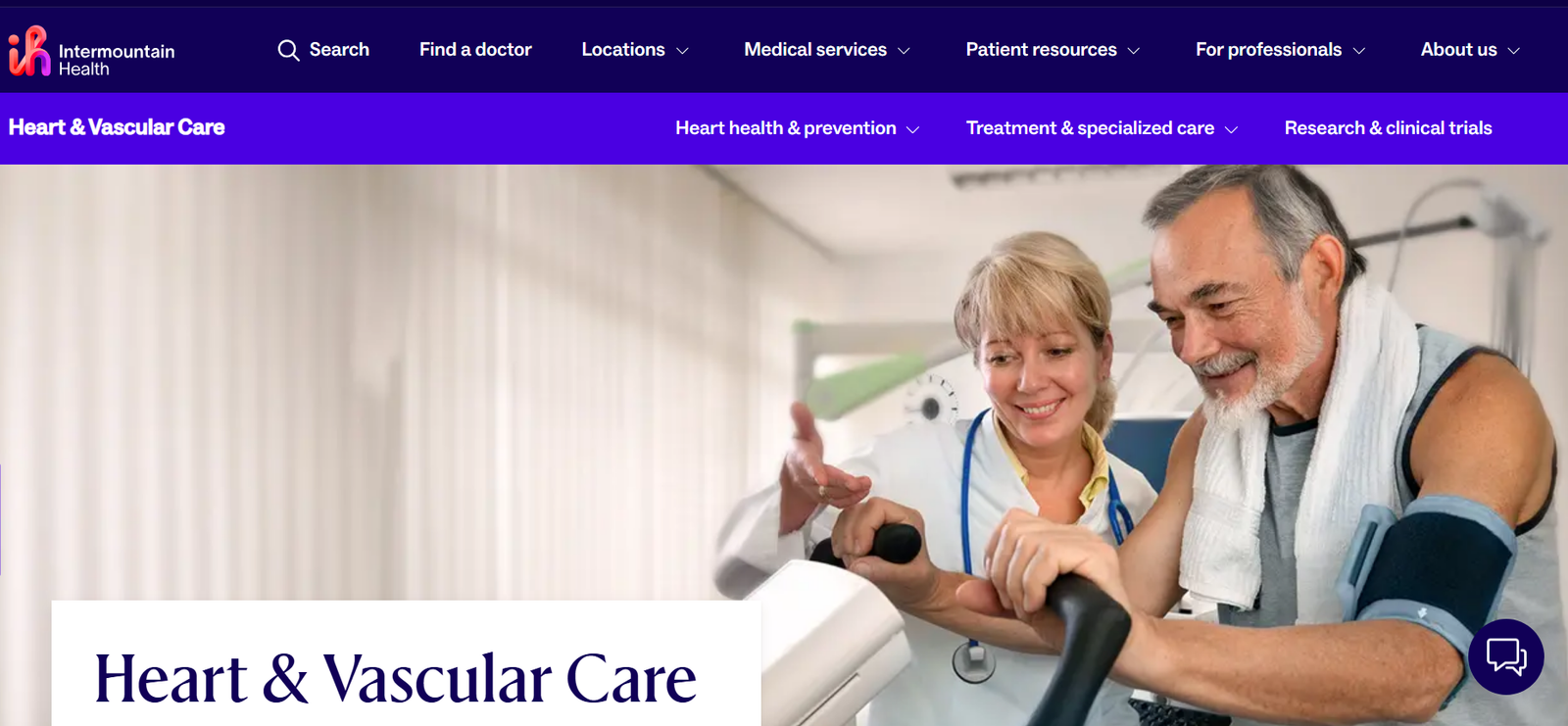
Intermountain Health ran a cardiology campaign with one headline that broke every healthcare marketing convention: "Reverse heart disease in 12 weeks with our cardiac rehab program." Outcome named. Timeline named. Program named. No brand fluff. No generic "we care about your health." Just a direct, specific, credible promise delivered across paid social, connected TV, and organic content simultaneously.
"We care about your health" is not a campaign. "Reverse heart disease in 12 weeks" is. Name the outcome, the timeline, and who the service is for. Specificity is the single biggest difference between an ad that gets scrolled past and one that gets clicked and booked.
"Life Reimagined" Pharmaceutical Storytelling at Scale
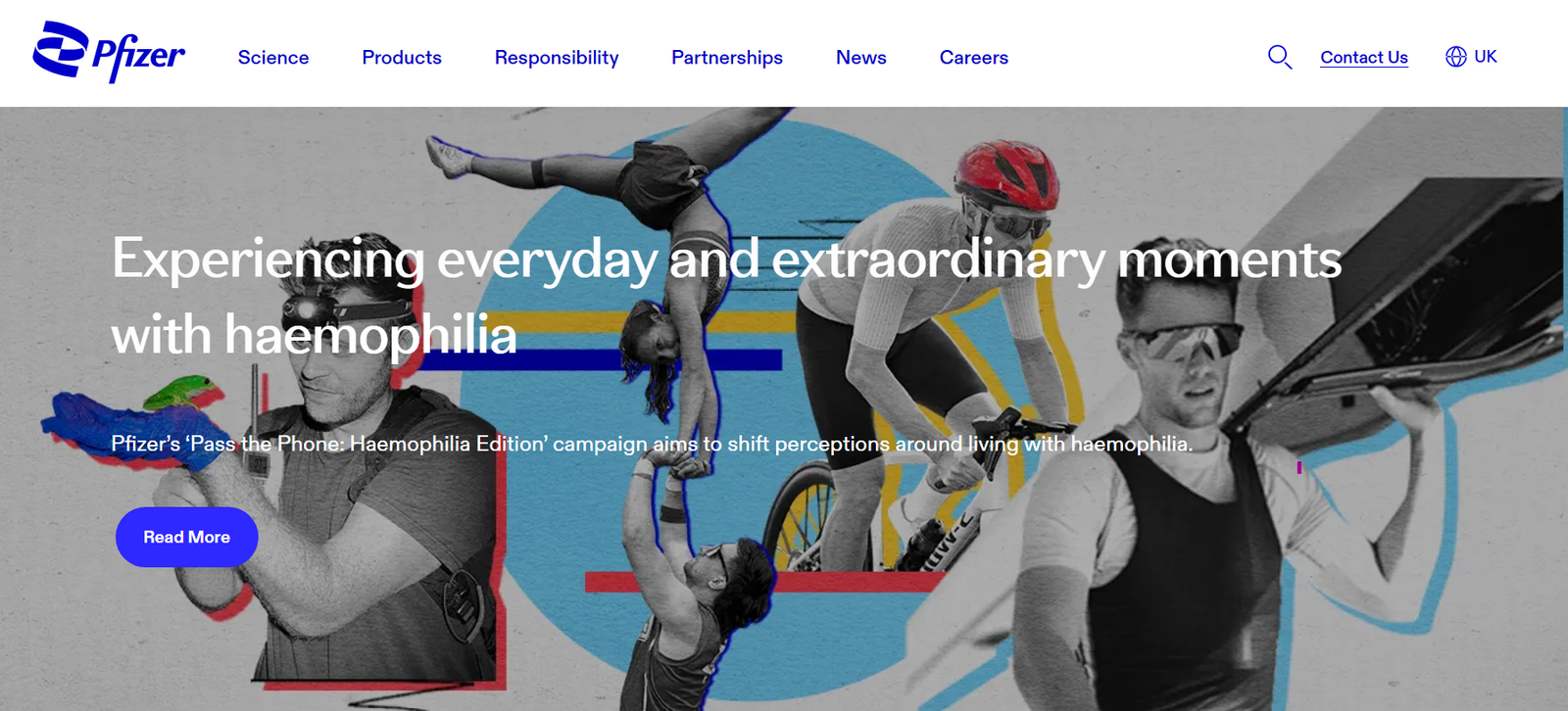
Pfizer's "Life Reimagined" campaign for autoimmune disease treatments featured real patients describing their lives before and after treatment not in a clinical sense, but in deeply human terms: returning to a garden they'd abandoned, running with their children again, sleeping without pain. No complicated medical terminology. Just the before and the after, distributed across social media, YouTube, and streaming platforms globally.
The before/after is the oldest and most effective storytelling format in existence and it works just as powerfully for a local clinic as it does for a global pharmaceutical company. Every single patient you've helped has a before and an after. All you have to do is ask them to share it.
Email & Education Marketing
The highest-ROI owned channel in healthcare and the one that educates patients better than anyone else.
Patient Lifecycle Email System 9× Patient Base Growth
Santagostino built a complete patient lifecycle email system using HubSpot appointment reminders timed to reduce no-shows, post-visit educational sequences personalised to the treatment received, seasonal health tips based on patient demographics, and re-engagement campaigns targeting patients who hadn't booked in over 90 days. Every email was triggered by a specific patient action or inaction not sent on a mass schedule.
Set up four automated emails: appointment reminder → post-visit follow-up → educational tip relevant to their treatment → review request. Four emails. One afternoon to set up. Works for every patient, forever, without you lifting a finger again.
Interactive Cancer Education Campaign Making Complex Simple
Novartis launched an interactive digital campaign explaining the science behind their cancer treatments using animated explainer videos and patient journey simulations. The idea was radical for pharmaceutical marketing: instead of promoting the drug, they helped patients and carers understand what was happening in their body and why the treatment worked. The result was informed patients who could have better conversations with their doctors and who trusted Novartis more for having explained it.
Take your most technical service and turn it into a simple visual explanation an animation, an infographic, a short explainer video. Patients who understand their treatment options are far more likely to book. And far less likely to cancel.
What All 15 Examples Have in Common
Four patterns that repeat across every single successful healthcare marketing campaign above.
Cleveland Clinic's film has no voiceover about their technology. Dana-Farber doesn't open with survival statistics. The emotional truth "I'm scared," "I feel alone," "I just want answers" is the hook. The service is the resolution.
"Reverse heart disease in 12 weeks" beats "we provide excellent cardiac care." "$220M raised" beats "awareness was increased." Specific claims build trust. Vague ones get ignored. This applies to every budget, every channel, every practice size.
YouTube. Google. Podcasts. Instagram. Email. Every campaign above chose a channel based on where their patients actually spend time not where healthcare brands feel comfortable. Platform-native content always outperforms repurposed content.
Cleveland Clinic has published Health Essentials daily for years. NY-Presbyterian ran "Amazing Things" for multiple years. Santagostino's email system runs forever. The campaigns that reshape industries aren't one-month experiments. They're commitments.
Social Media Marketing